Out of position, being the preflop raiser does not automatically mean you get to bet.
03 Jul 2026
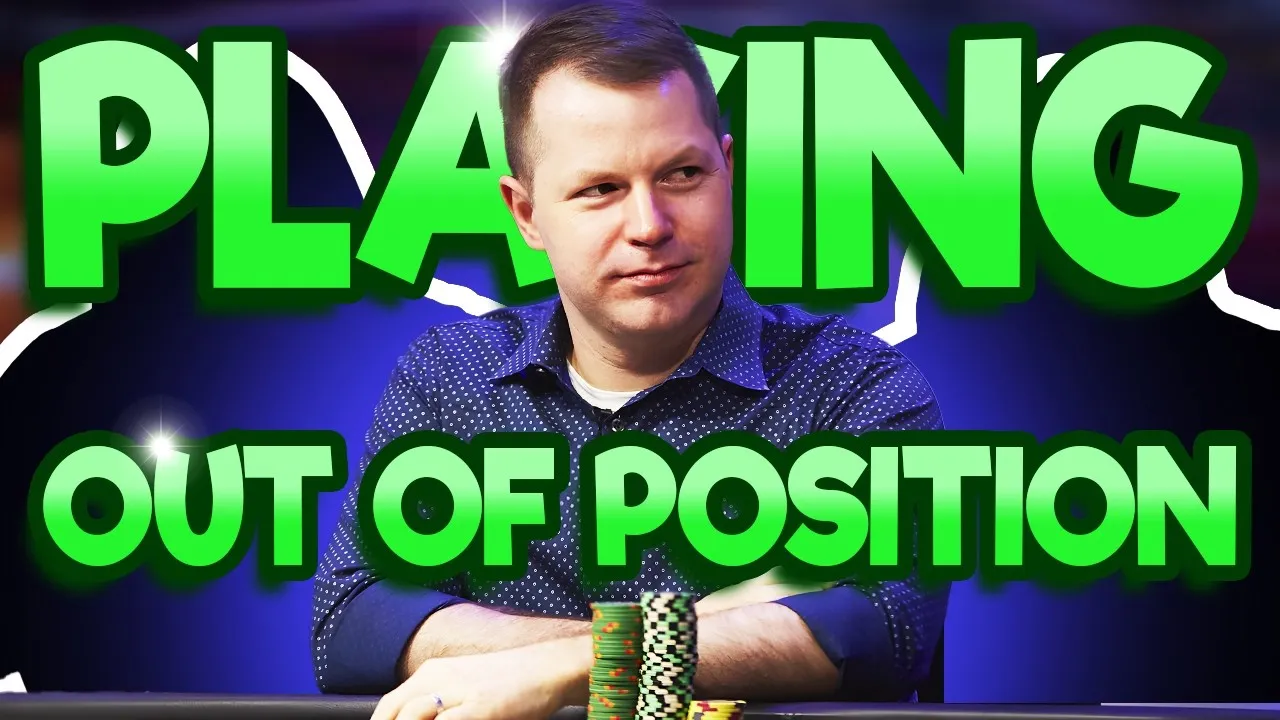
This video is available directly on YouTube.
Watch on YouTubeJonathan Little looks at a spot many tournament players overplay: raising preflop, getting called by someone in position, then firing too often on the flop. The key difference is that an in-position caller has a tighter, more condensed range than a big blind defender, so the preflop raiser loses a lot of the easy c-bet advantage.
The lesson is mostly about knowing when that advantage still exists. Little uses range advantage, position proximity, card gapping, and offsuit range asymmetries to show why some boards get bet often while others should be checked far more than most players expect.
How OOP flop strategy works:
- Betting frequency is driven mainly by range advantage, not by who raised preflop.
- In-position callers have tighter ranges than big blind defenders, so OOP c-bets drop.
- Strong range-advantage boards can still be bet very often, even from out of position.
- Low, middle, monotone, or poor-range boards require much more checking.
- Position proximity matters: the closer the caller is to your left, the stronger their range usually is.
- Wider gaps between flop cards often leave the raiser with more air and fewer hands that want to bet.
- Connected boards create more pairs, draws, and useful equity across the raiser’s range.
- Range asymmetry matters most when one player has key offsuit combos the other player does not.
Watch the full masterclass to see how Jonathan Little decides which OOP flops deserve pressure and which ones should mostly be checked.