
This video is available directly on YouTube.
Watch on YouTubeBig river calls can make or break your win rate. But having a pair that looks strong enough to call doesn't tell you the whole story. In this hand against Davy Jones, the difference between a profitable call and a losing one comes down to blockers: which value hands you remove from your opponent's range and, just as importantly, which bluffs you leave there.
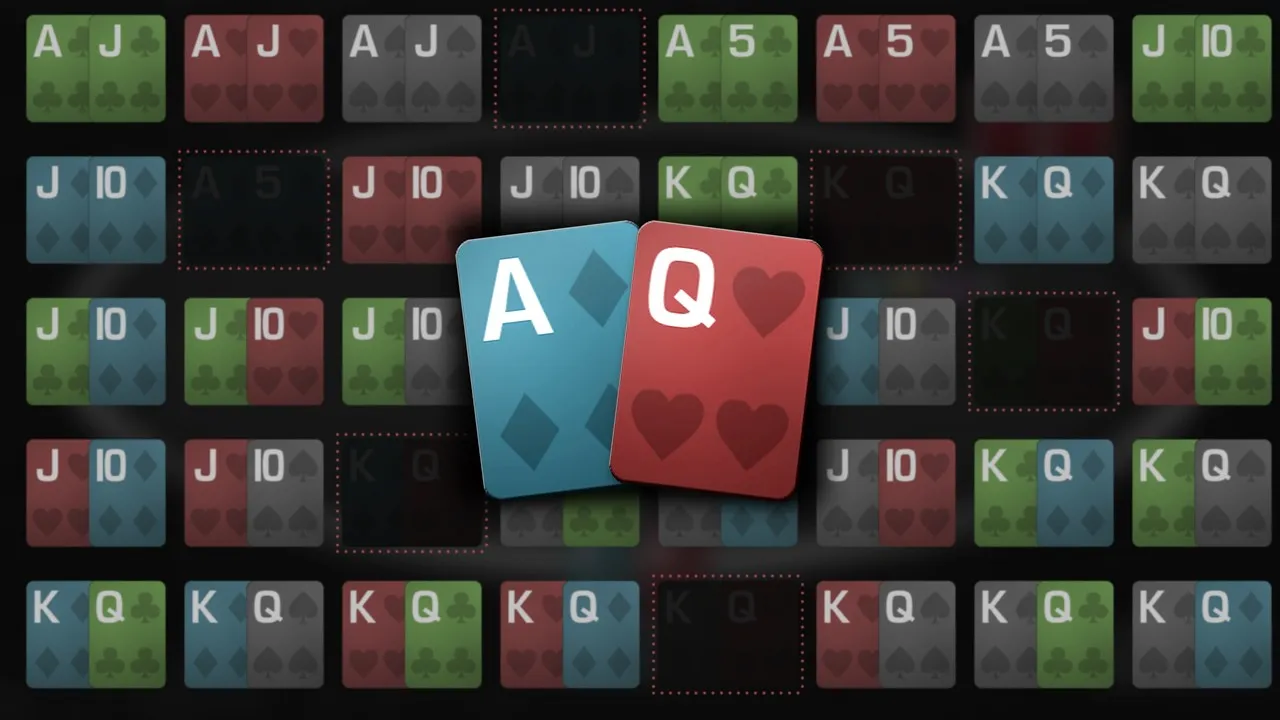
The poker video shows why ace-queen can be a much better call than pocket jacks, even though the pair of queens isn't the main reason. It also looks at what happens when an opponent bluffs more or less often than GTO recommends. A hand that calls against a balanced range might become an easy fold against someone who doesn't bluff enough. The key is to understand how sensitive each combo is to changes in your opponent's range, rather than treating every bluff-catcher as an automatic call or fold.
What this video covers:
- Why river bluff-catching decisions can have such a big impact on your win rate.
- How blockers change the value of a call against a polarized range.
- Why unblocking bluffs can matter more than blocking value hands.
- Why ace-queen can be a better call than pocket jacks in the same spot.
- How holding certain suits can remove potential bluffs from your opponent's range.
- Why some bluff-catchers remain profitable while others become folds.
- How to adjust when opponents bluff more or less often than GTO recommends.
- How to use a solver to compare hands and find better calling thresholds.
Watch the full breakdown to see how blockers can turn a close river decision into a much clearer one.